Why Spreadsheets and Shared Drives Stop Working for Audit Readiness
For many Australian businesses, spreadsheets and shared drives start as practical solutions for managing compliance evidence, policies, and audit documentation. They are familiar, inexpensive, and flexible. But as organisations grow and regulatory expectations increase, these tools often become the very thing that slows down — or jeopardises — audit readiness. From ISO certifications to industry-specific...

Audit Evidence: What to Keep, What to Drop, What to Digitise
If you’ve ever prepared for a WHS audit, you know the temptation: keep everything. Folders expand. Shared drives overflow. Email chains get archived “just in case.” But experienced auditors don’t reward volume — they look for relevance, reliability, and traceability. Whether you’re preparing for a regulator interaction, client audit, or certification against ISO 45001, here’s...

What WHS Auditors Actually Look For
Work Health and Safety (WHS) audits can feel intimidating. Whether you’re preparing for a regulator visit, a client prequalification, or certification against ISO 45001, many businesses aren’t entirely sure what auditors are really assessing. The good news? WHS auditors aren’t looking for perfection. They’re looking for evidence of a functioning safety management system that is...

Common Reasons Businesses Fail WHS, ISO or Principal Contractor Audits
Workplace audits, whether for Work Health and Safety (WHS), ISO certification, or principal contractor compliance, are designed to ensure businesses operate safely, legally, and systematically. Audits may be conducted under state-based WHS regulators such as Safe Work Australia (policy body), enforcement authorities like SafeWork NSW, or as part of ISO certification through standards developed by...

What Audit Readiness Actually Means
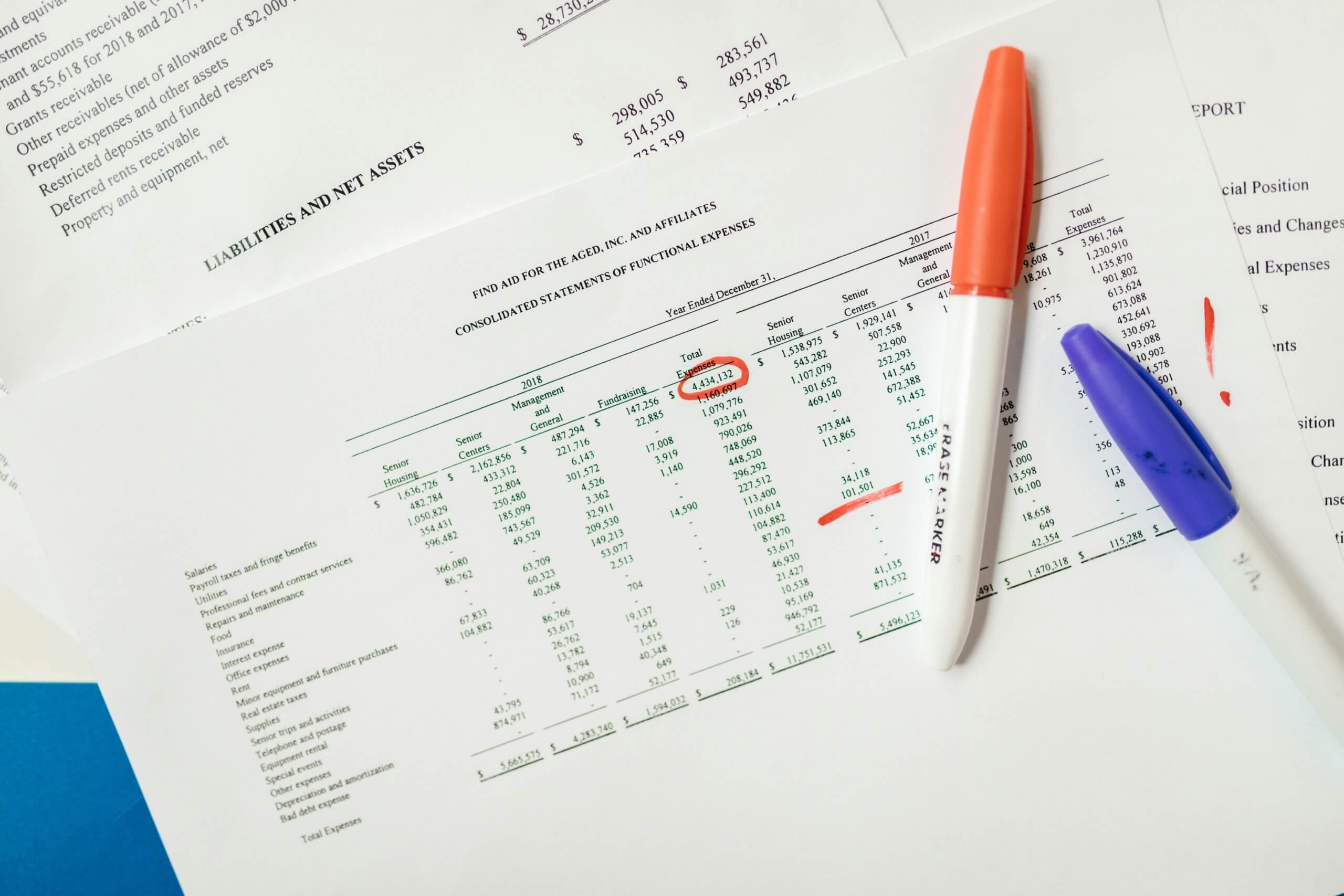
When organisations say they’re “audit ready,” it often means very different things. For some, it’s a last-minute scramble before the auditor arrives. For others, it’s a year-round discipline embedded in governance, finance, IT, and operations. True audit readiness isn’t about having neat folders or polished financial statements. It’s about being able to demonstrate compliance, accuracy,...

The Importance of Conducting a Gap Analysis
In an increasingly regulated and risk-aware business environment, organisations are expected to demonstrate robust management of work health and safety (WHS), quality, and environmental responsibilities. These expectations are driven by legislation, industry standards, customer requirements, and broader societal demands for safe, ethical, and sustainable operations. One of the most effective ways for companies to ensure...

Work Health and Safety Requirements in Australia for 2026
As Australia enters 2026, employers and safety officers must stay vigilant in implementing and adapting to updated Work Health and Safety (WHS) obligations. WHS laws across Australia are governed by the model WHS Act and supported by WHS Regulations and Codes of Practice, which are adopted by each state and territory. The national policy is...

End-of-Year WHS: What Every Workplace Should Prioritise
As the end of the year approaches, many workplaces experience increased pressure, changing schedules, and shifting priorities. While it can be a rewarding time, it also brings a unique set of Work Health and Safety (WHS) risks. The combination of fatigue, staff shortages, festive events, and operational deadlines means safety systems can easily become strained....

New Workplace Exposure Limits: What’s Changing and Why It Matters
What are Workplace Exposure Limits (WEL)? Workplace Exposure Limits (WEL) are the maximum concentrations of airborne contaminants (dust, fumes, vapours, gases, mists) that a person can be exposed to in the workplace without suffering serious or long-term harm. Starting 1 December 2026, WEL will officially replace the current Workplace Exposure Standards (WES) in Australia. While...

Parental Leave and the Introduction of the Fair Work Amendment (Baby Priya’s) Act 2025
Unpaid Parental Leave Under the National Employment Standards Under the Fair Work Act 2009, the National Employment Standards (NES) provide a minimum entitlement to unpaid parental leave. Specifically: Employees (including those in a de facto or same-sex partner relationship) who have completed at least 12 months’ continuous service with their employer are entitled to up...

Who Pays the Insurance Excess on a Company Vehicle?
When an employee is involved in a motor vehicle accident while driving a company car, one of the most common questions that arises is: who pays the insurance excess? The answer depends on several factors — including company policy, employment contracts, and the circumstances of the accident. Understanding the Insurance Excess An insurance excess is...

Business Continuity and Crisis Management
Managing Risks During Disruption There are a broad range of risks that can disrupt business operations—natural disasters (bushfires, floods, cyclones), cyber-attacks, pandemics, supply chain interruptions, and geopolitical tensions. Effective business continuity and crisis management are crucial to mitigating the impacts of these risks. Below is a comprehensive overview of how businesses can manage risks during...