
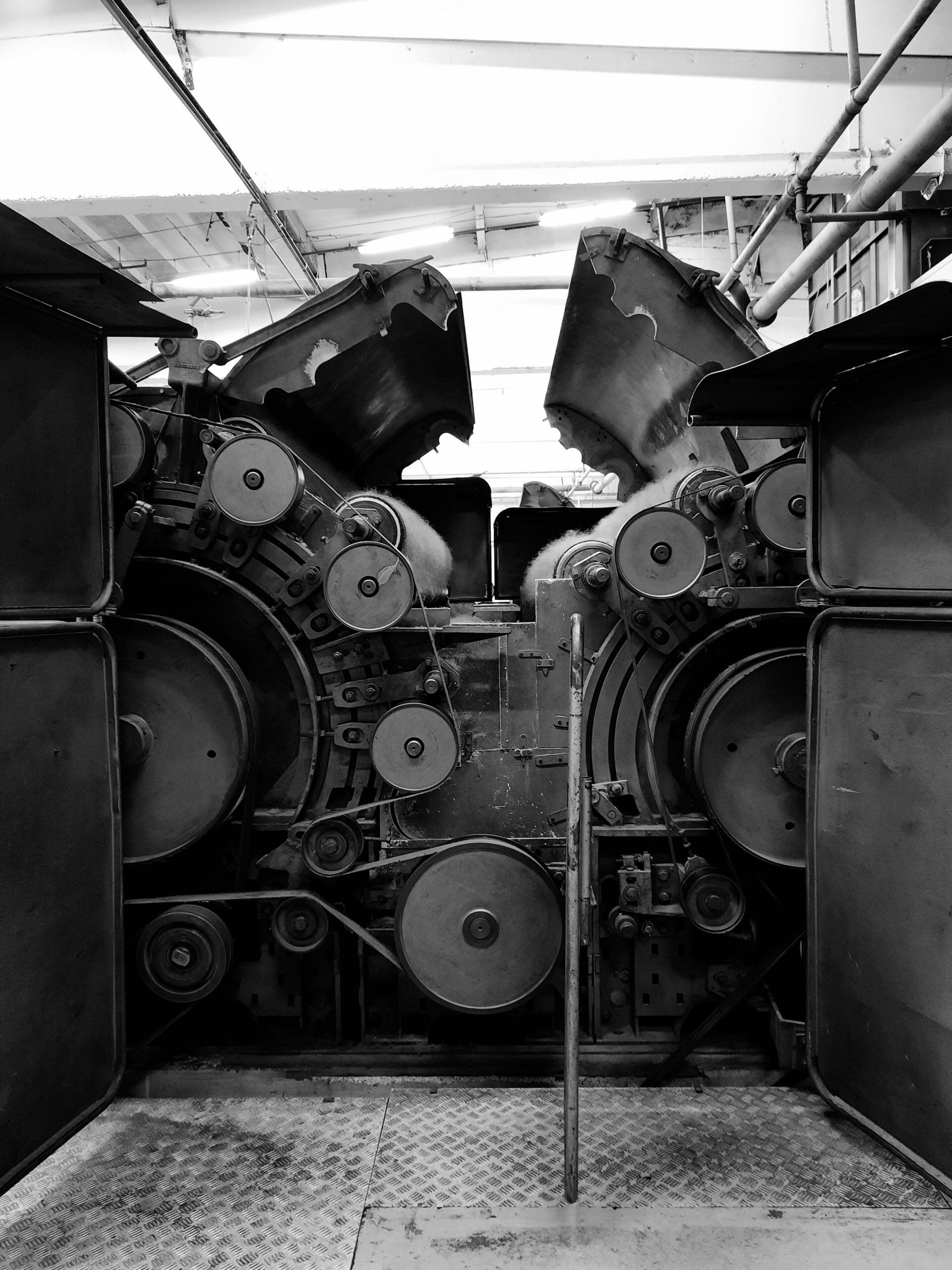
Fixed Plant Safety
Workplace safety has always been a legal and moral responsibility for Australian businesses, but Queensland’s Workplace Health and Safety Queensland (WHSQ) is placing an even stronger emphasis on proactive compliance over the coming years. Through its WHS Compliance and Field Services Proactive Compliance Program 2024–2027, WHSQ is targeting high-risk industries and hazards before incidents occur,...
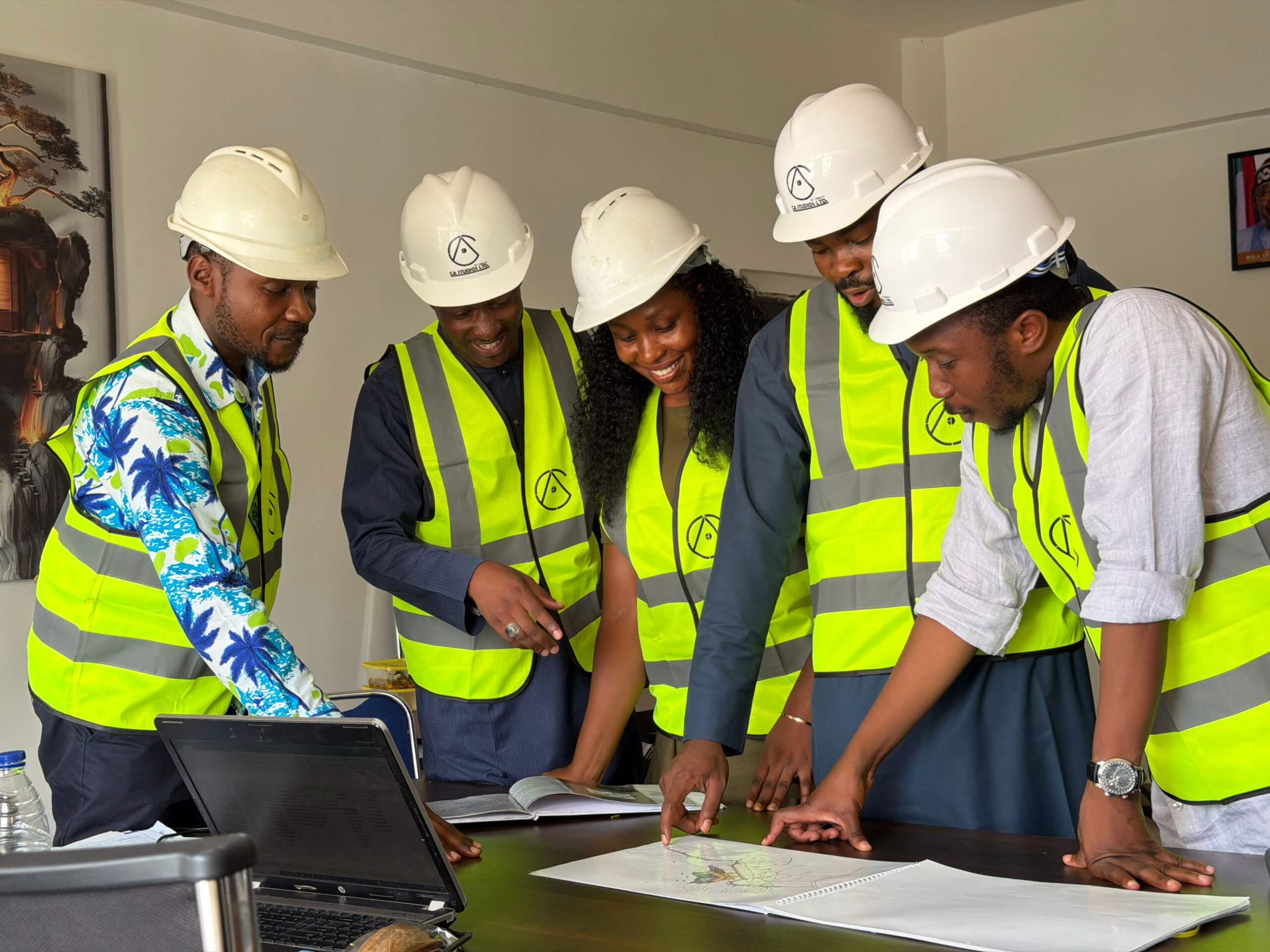
How Auditors Assess Contractor Compliance
Whether you’re managing contractors on a construction site, engaging specialist trades, or outsourcing services, contractor compliance is a critical part of running a safe and legally compliant business in Australia. Regulators, clients, and insurers increasingly expect businesses to demonstrate that contractors meet the same standards as employees when it comes to safety, qualifications, and legal...
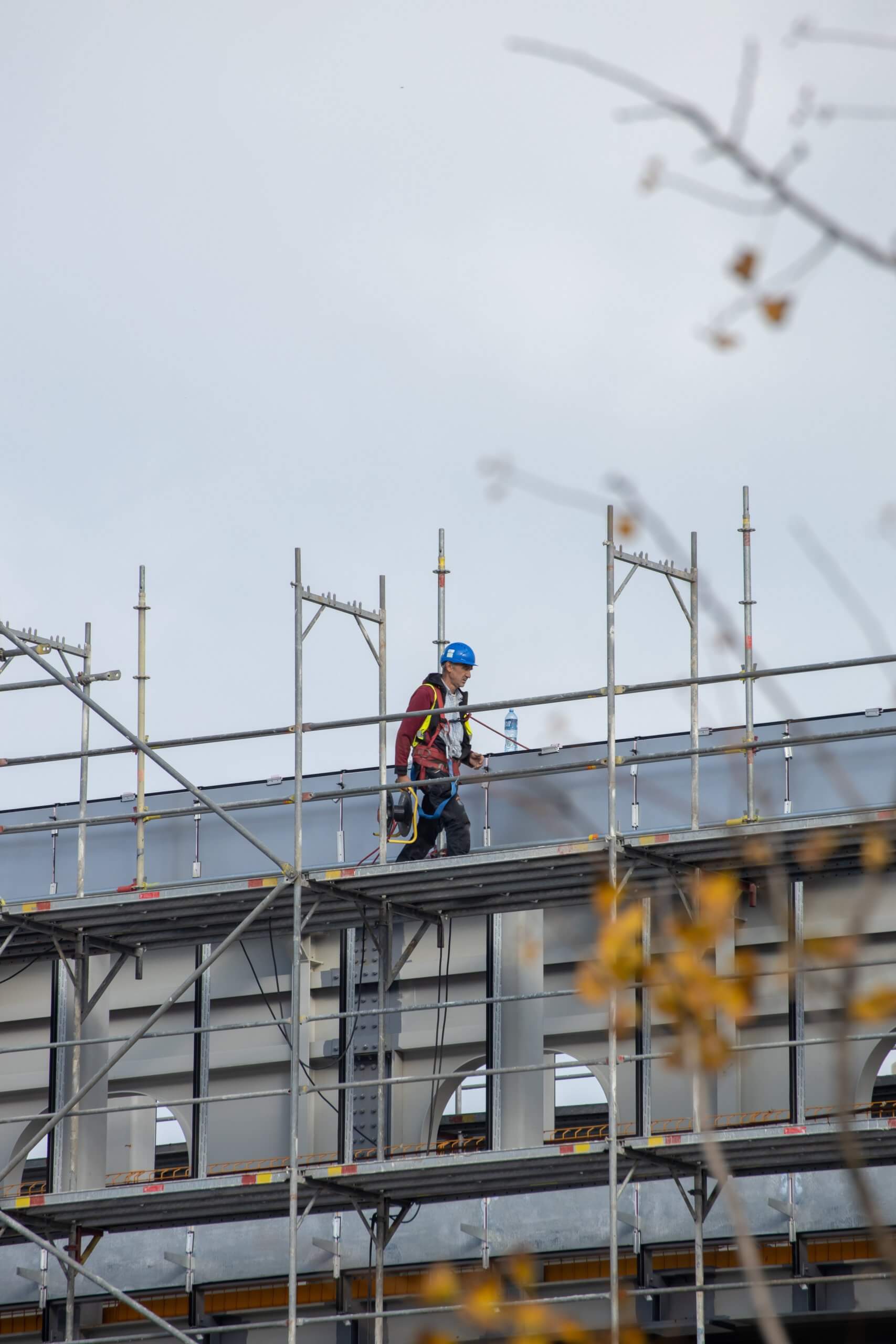
Falls from Heights Remain One of Queensland Construction’s Biggest Safety Risks
Construction sites across Queensland are constantly evolving environments, with workers regularly required to perform tasks on roofs, scaffolding, ladders, elevated work platforms, and partially completed structures. While working at heights is often unavoidable, falls from height continue to be one of the leading causes of serious injuries and fatalities in the construction industry. Whether it’s...
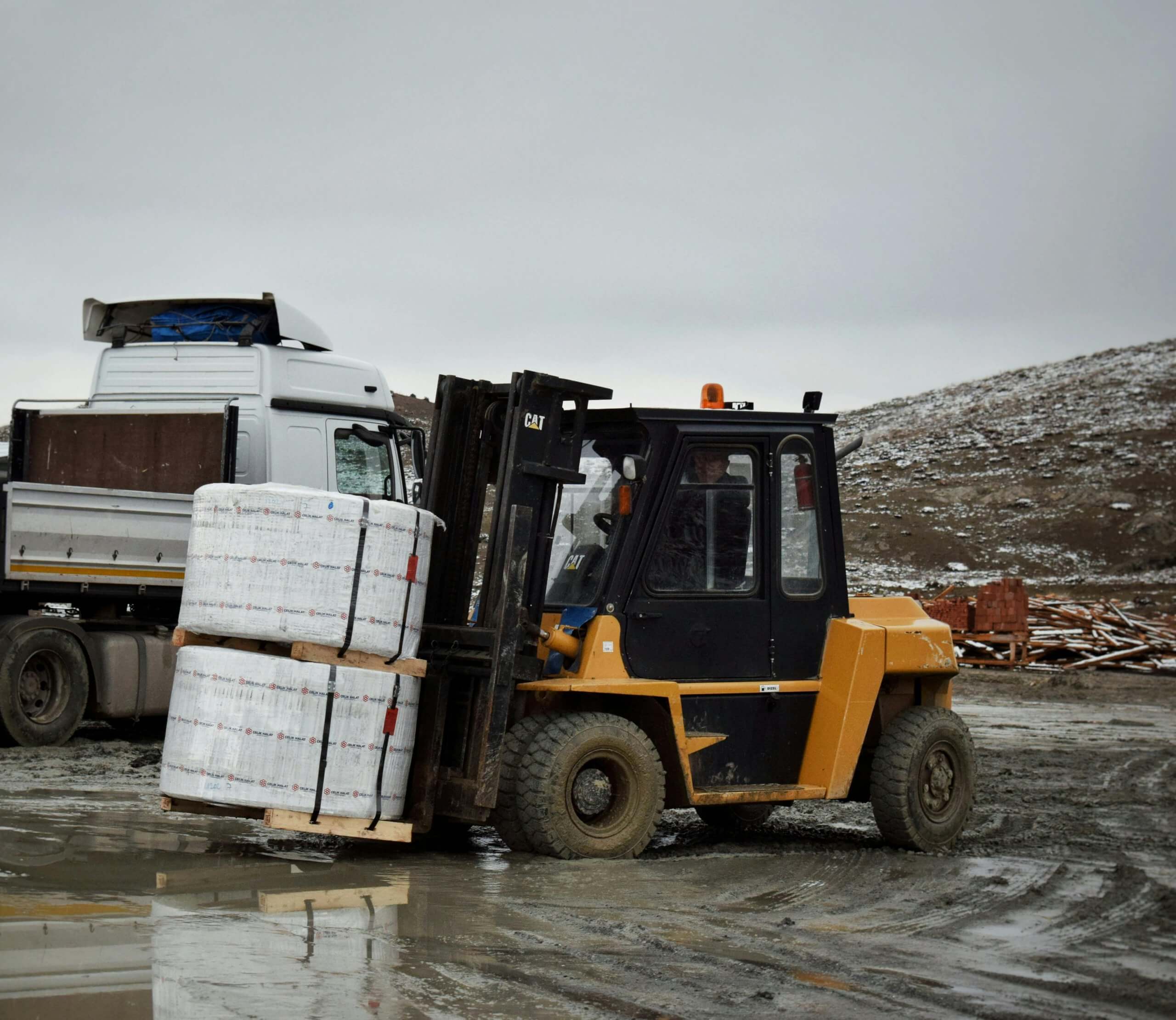
Moving Plant – Reducing Workplace Safety Incidents
Forklifts, elevated work platforms, loaders, pallet jacks and other moving plant are essential to Australian industry. From warehouses and logistics hubs to construction sites and manufacturing facilities, these machines keep operations moving efficiently. Unfortunately, they also remain one of the leading causes of serious workplace injuries and fatalities across Australia. Among all types of moving...
Electrical Powerlines – Reducing Risks
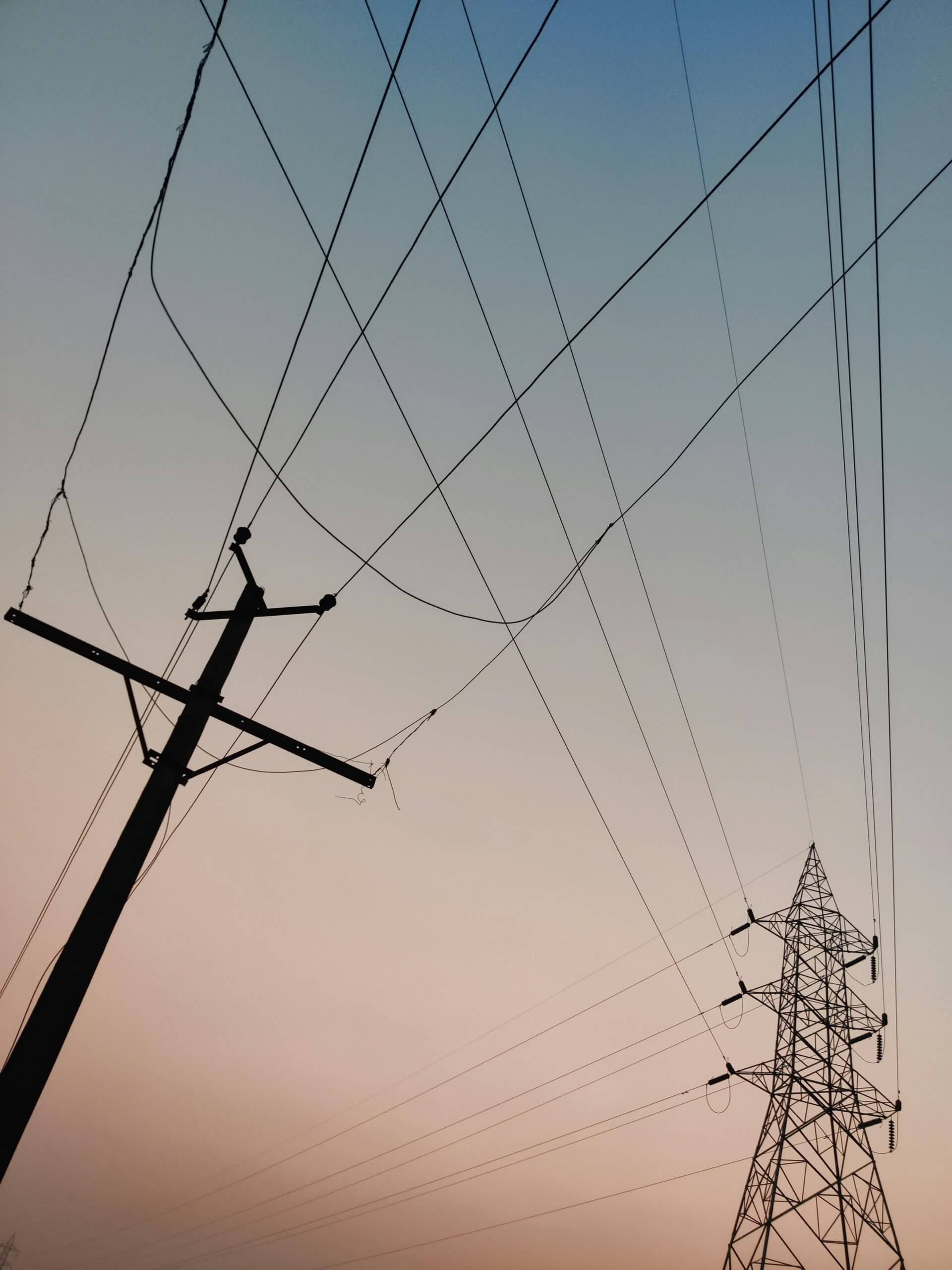
Electrical powerlines are part of almost every Australian worksite. From construction and civil works to agriculture, logistics, arboriculture and mining, overhead and underground electrical assets create a constant risk that can become catastrophic in seconds. Contact with live powerlines can result in serious injury, fatalities, fires, explosions, plant damage, network outages and significant legal consequences...
Supplier Compliance in Australia
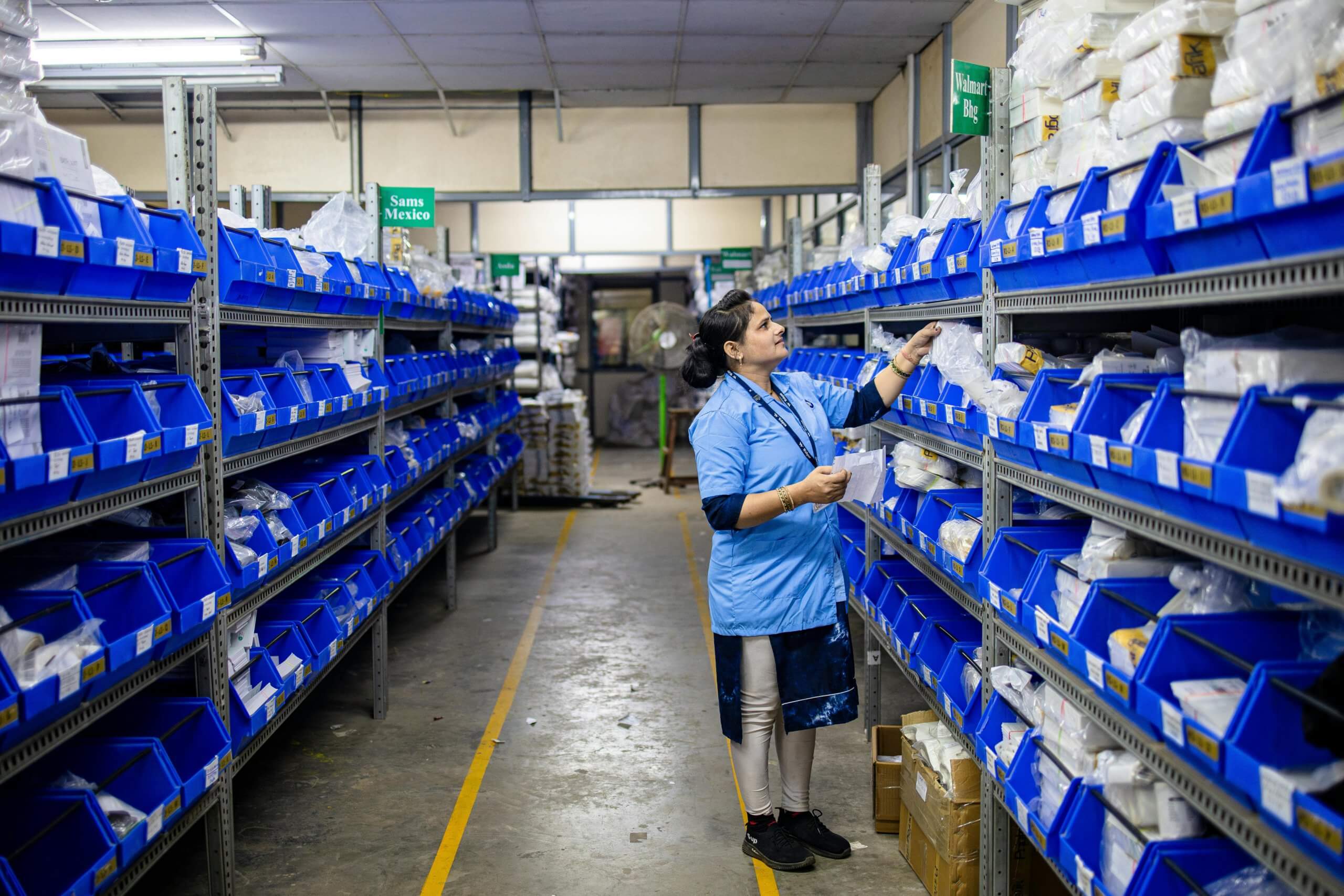
Supplier compliance has become a major focus for Australian businesses, particularly as organisations face increasing pressure from regulators, clients, insurers, and stakeholders to demonstrate stronger governance and risk management practices. Supplier compliance is not simply about collecting paperwork, it is about ensuring that every supplier within a business’s supply chain operates safely, legally, ethically, and...
Managing Contractors Effectively
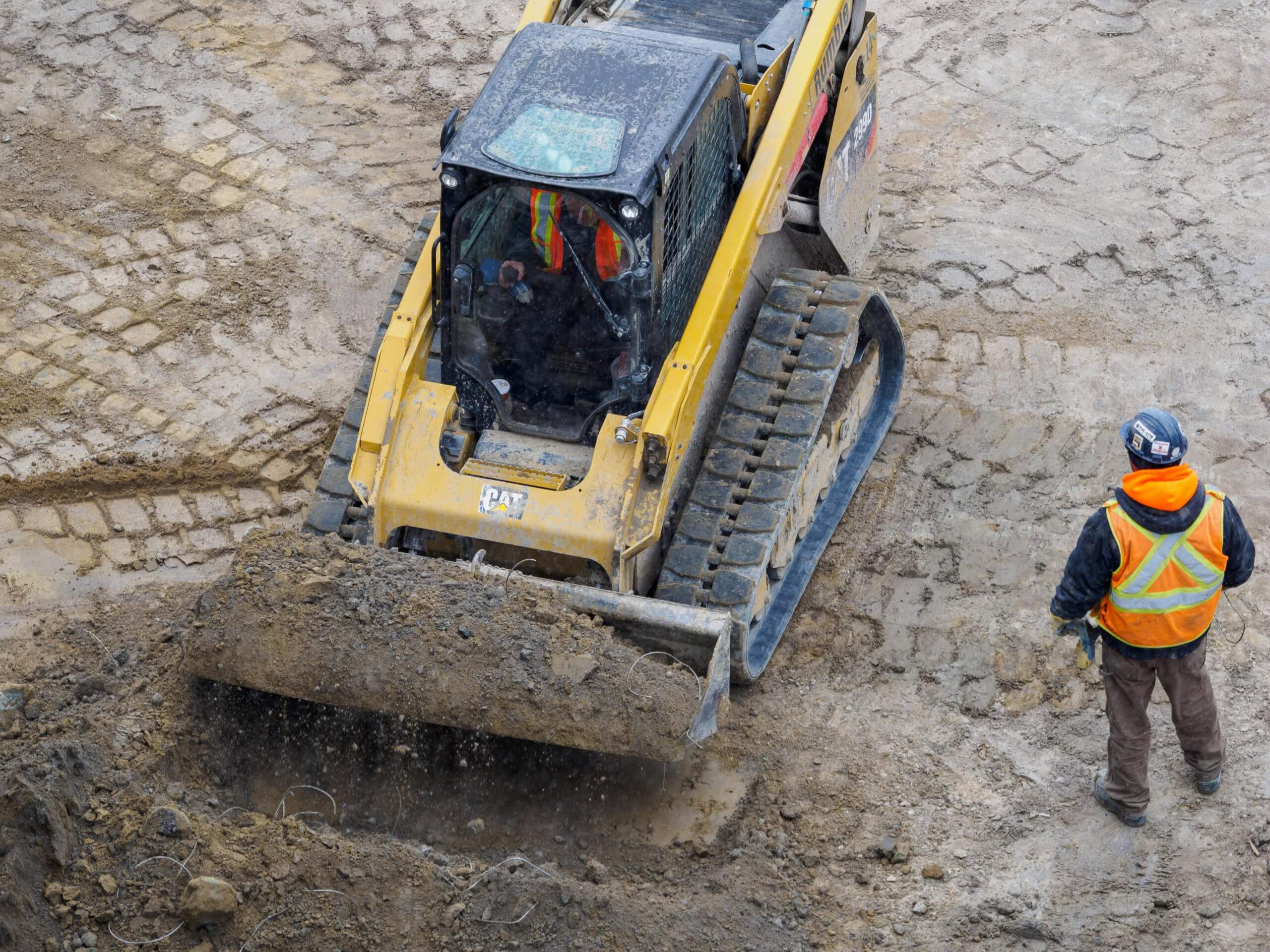
When I step onto a worksite as an Occupational Health and Safety (OHS) consultant, I’m not just there to tick boxes, I’m there to assess how well contractor activities are being managed in real-world conditions. Across Australia, I see a consistent pattern: projects that succeed in safety and compliance are those that treat contractor management...

Contractor Inductions: Where Compliance Breaks Down
Contractor inductions are rarely the problem on paper, but frequently the weak link in practice. Most organisations have an induction process. Many even invest in polished systems and detailed content. Yet when incidents occur or regulators step in, it becomes clear that something didn’t translate from process to reality. Here’s where contractor induction compliance most...