Safe Work Australia Launches New Hazardous Chemical Information System (HCIS)
Safe Work Australia has published a new Hazardous Chemical Information System (HCIS), giving Australian businesses and workers a refreshed way to access information about hazardous chemicals and prepare for the introduction of new workplace exposure limits (WELs) on 1 December 2026.
The new HCIS was published on 4 August 2026 and represents a significant update to one of Australia’s key online resources for chemical hazard information.
What Is The HCIS?
The Hazardous Chemical Information System is an online guidance tool developed by Safe Work Australia to help manufacturers, importers, employers and users find information about hazardous chemicals.
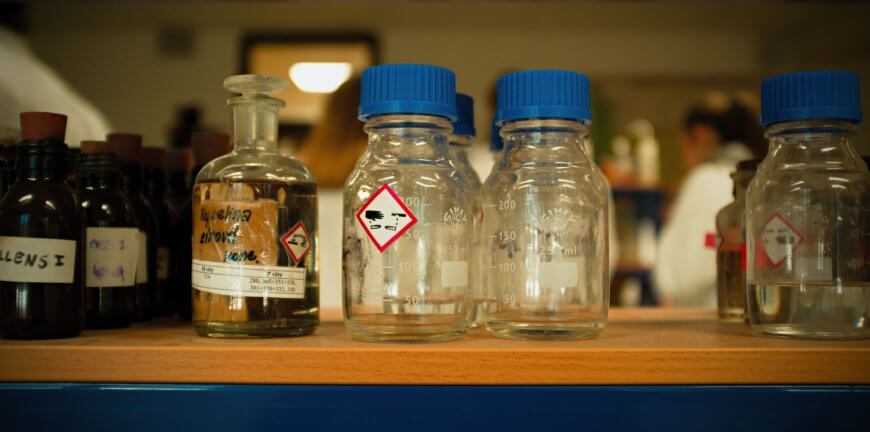
The system provides information relating to the Globally Harmonized System of Classification and Labelling of Chemicals (GHS), including hazard classifications, hazard statements, pictograms and other information relevant to chemical classification and communication.
It can also help manufacturers and importers determine whether a product is a hazardous chemical and, where applicable, support the classification, labelling and preparation of safety data sheets (SDS) under the GHS and model WHS Regulations. Employers and other chemical users can use the system to cross-check information appearing on labels and SDS.
What Is New In The 2026 HCIS?
The new system has been redesigned to make chemical information easier to find and use.
-
A Refreshed User Interface
The HCIS has a modernised interface intended to make navigation and searching more straightforward.
For businesses that regularly need to check chemical classifications, a simpler interface can reduce the time spent searching through separate pages or sources of information.
-
GHS and WEL Information In One Place
One of the most important changes is the introduction of a single search function that brings together relevant chemical information.
GHS classification information and workplace exposure limit data can now be displayed together on the same page.
This is particularly relevant as Australia moves from the existing Workplace Exposure Standards (WES) to the new Workplace Exposure Limits (WEL) framework.
-
Mobile and Tablet Compatibility
The new HCIS has also been designed to work across different devices, including mobile phones and tablets.
This should make it more practical for safety professionals, supervisors and workers who need to access chemical information away from a desktop computer.
-
Updated Classification Information
As part of the upgrade, Safe Work Australia has updated GHS classification data from the European Chemicals Agency (ECHA) and the Australian Industrial Chemicals Introduction Scheme (AICIS).
This is important because chemical classification information can change as new scientific information becomes available or authoritative classification sources are updated.
Why The New HCIS Matters
For businesses managing hazardous chemicals, the HCIS is more than simply a searchable database. It can be a useful part of the process of identifying chemical hazards and checking whether information used in the workplace is current and consistent.
Under Australia’s WHS framework, manufacturers and importers are responsible for determining whether their products are hazardous chemicals and, where required, correctly classifying them. The resulting information is used to prepare labels and SDSs.
The HCIS can therefore provide a valuable reference point when reviewing chemical inventories, SDSs, labels and risk controls.
However, Safe Work Australia emphasises that the HCIS is a guidance tool, rather than a comprehensive register of every hazardous chemical. The classification information should not be treated as a substitute for the manufacturer’s or importer’s legal responsibilities or for professional advice where classification is uncertain.
The Connection With Australia’s New Workplace Exposure Limits
The timing of the new HCIS is significant.
Australia is transitioning from Workplace Exposure Standards (WES) for airborne contaminants to Workplace Exposure Limits (WEL). The new WEL framework takes effect from 1 December 2026. Until 30 November 2026, workplaces must continue to comply with the existing WES requirements.
The new HCIS has been specifically designed to support this transition by bringing chemical classification information and exposure-limit information together.
The WEL changes include revised exposure-limit values and changes to how some chemicals and health risks are represented. There are also changes to advisory notations, including the introduction of separate dermal and respiratory sensitisation notations and an ototoxicity notation.
Safe Work Australia has also identified 33 chemicals that will be removed from the WEL list because they are recognised as non-threshold genotoxic carcinogens. From 1 December 2026, these chemicals will no longer have exposure limits; instead, PCBUs will need to eliminate them where reasonably practicable, substitute them where possible, or otherwise minimise the risk.
This makes it particularly important for businesses to review their chemical management arrangements before the December 2026 transition.
What Should Businesses Do Now?
The release of the new HCIS is a good opportunity for businesses to review their existing chemical information and systems.
Consider taking the following steps:
Review Your Chemical Inventory
Identify the hazardous chemicals currently used, stored or generated in your workplace and confirm that you have current SDSs and labels for them.
Check Chemical Classifications
Use the new HCIS to review relevant GHS classification information and compare it with the information in your SDSs and labels.
Review Exposure Limits
Identify chemicals in your workplace that are subject to exposure limits and determine whether the transition from WES to WEL will affect your existing controls, exposure monitoring or risk assessments.
Review High-Risk Chemicals
Pay particular attention to carcinogens, sensitising chemicals and substances with revised exposure limits or advisory notations.
Update Risk Assessments and Control Measures
Where exposure limits are changing, consider whether existing engineering controls, ventilation, work practices, personal protective equipment and air-monitoring programs remain adequate.
Prepare For 1 December 2026
Do not wait until the new WELs commence. Businesses should allow enough time to understand the changes and implement any necessary controls.
A Useful Tool, But Not The Only Source
It is important to understand what the HCIS can and cannot tell you.
The system contains classification information from authoritative sources, but not every chemical will necessarily have been assessed against every GHS hazard category. Safe Work Australia also notes that classifications can change and that the HCIS should be treated as guidance.
Similarly, finding a chemical in the HCIS, or failing to find one, should not be treated as the sole basis for deciding whether a product is hazardous.
Businesses should consider the HCIS alongside the product’s current SDS, supplier information, relevant WHS legislation, applicable codes of practice and other authoritative chemical information.
What About The Old HCIS?
The launch of the new HCIS does not mean the existing WES requirements have already changed.
Safe Work Australia states that the current WES requirements remain in place until the WELs commence on 1 December 2026. Information relating to the current WES can still be accessed through Safe Work Australia’s website and the previous version of HCIS.
This distinction is important for businesses currently updating their chemical registers and procedures: the new HCIS is available now, but the new WEL obligations do not commence until 1 December 2026.
A Timely Update For Chemical Safety Management
The new HCIS is a welcome development for Australian businesses that need practical access to chemical hazard information.
Its redesigned interface, consolidated search functionality and combination of GHS and exposure-limit information should make it easier for duty holders to investigate chemical hazards and prepare for the upcoming WEL transition.
For businesses, the most important takeaway is that the new HCIS should be incorporated into a broader chemical management review, particularly as 1 December 2026 approaches.
With the transition to WELs only months away, now is a good time to review your chemical inventory, check SDSs and labels, revisit exposure controls and make sure your workplace is prepared for the new requirements.
For the latest information, visit Safe Work Australia’s new Hazardous Chemical Information System and its guidance on Workplace exposure limits for airborne contaminants.
Sherm Software’s Chemical Register is the ideal tool to keep track of chemicals used within your business, while ensuring SDS’s are current. Notifications are sent straight to you when updates are required.
Get in touch with us and let us help you review the hazardous chemicals used in your business operations and prepare for the coming changes.