Fixed Plant Safety
Workplace safety has always been a legal and moral responsibility for Australian businesses, but Queensland’s Workplace Health and Safety Queensland (WHSQ) is placing an even stronger emphasis on proactive compliance over the coming years. Through its WHS Compliance and Field Services Proactive Compliance Program 2024–2027, WHSQ is targeting high-risk industries and hazards before incidents occur, rather than simply responding after something goes wrong. The program is designed to improve compliance through education, inspections and enforcement in sectors where workers face the greatest risks.
One of the key hazards identified throughout the program is the safe use of plant, including fixed plant. For businesses operating manufacturing facilities, warehouses, food processing plants, distribution centres and other industrial workplaces, this is a timely reminder that plant safety should remain a priority, not just for compliance, but for protecting people.
What is Fixed Plant?
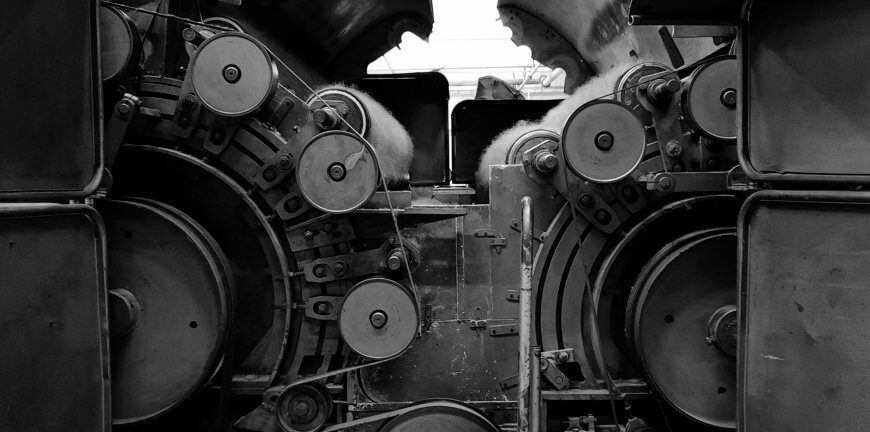
Fixed plant refers to machinery or equipment that is permanently installed or anchored in place to perform industrial or production tasks. Unlike mobile plant such as forklifts or excavators, fixed plant generally remains stationary throughout its operational life.
Common examples include:
- Conveyor systems
- Industrial presses
- Production machinery
- Fixed lifting equipment
- Pallet racking systems
- Packaging equipment
- Automated manufacturing lines
- Refrigeration plant
- Crushers and processing equipment
While fixed plant may appear less hazardous because it doesn’t move around a worksite, the reality is that these machines are involved in many serious workplace injuries every year.
Why Fixed Plant Presents Significant Risks
Serious incidents involving fixed plant often occur because hazards become part of the everyday work environment. Workers may become familiar with equipment and unknowingly accept unsafe practices over time.
Common hazards include:
- Contact with moving parts
- Entanglement in rotating machinery
- Crushing points
- Unexpected start-up during maintenance
- Poorly maintained guarding
- Stored energy hazards
- Inadequate lockout/tagout procedures
- Failure to isolate machinery before servicing
These risks can lead to catastrophic injuries including amputations, crush injuries and fatalities.
Importantly, many of these incidents are entirely preventable through effective risk management and safe systems of work.
Fixed Plant Features in WHSQ’s Compliance Strategy
The WHSQ Proactive Compliance Program identifies use of plant as one of Queensland’s priority hazard areas. The regulator is focusing on improving how businesses identify hazards, manage risks and implement effective controls around plant and machinery. This forms part of a broader, risk-based compliance strategy aimed at reducing serious workplace injuries and improving safety outcomes across priority industries.
As the program rolls out, inspectors are conducting targeted campaigns across industries including manufacturing, construction, transport and warehousing. Depending on the industry, inspections may examine machinery guarding, maintenance practices, worker training, consultation processes and the effectiveness of safety management systems.
For transport and warehousing, WHSQ has specifically identified fixed plant such as conveyor systems, fixed racking and shelving, fixed lifting equipment and refrigeration systems as inspection priorities during compliance campaigns.
What Inspectors Are Looking For
During workplace inspections, WHSQ inspectors are typically assessing whether businesses are effectively managing risks rather than simply having paperwork in place.
Areas commonly reviewed include:
- Machine guarding and physical barriers
- Safe operating procedures
- Lockout and isolation systems
- Maintenance and inspection records
- Worker competency and training
- Risk assessments
- Consultation with Health and Safety Representatives (HSRs)
- Emergency stop systems
- Housekeeping around machinery
- Compliance with relevant Codes of Practice
Inspectors may issue improvement notices, prohibition notices or financial penalties where significant safety breaches are identified.
Building a Proactive Safety Culture
One of the most significant shifts within the 2024–2027 program is its emphasis on proactive safety rather than reactive enforcement.
Instead of waiting for incidents to occur, WHSQ encourages businesses to continually assess their workplace, identify emerging risks and strengthen their safety systems before injuries happen.
Organisations with strong safety cultures generally:
- Conduct regular plant inspections
- Review risk assessments whenever processes change
- Keep maintenance programs current
- Involve workers in hazard identification
- Encourage reporting of near misses
- Regularly review Safe Work Method Statements and procedures
- Verify that controls remain effective
A proactive approach not only improves compliance but also reduces downtime, equipment damage and workers’ compensation costs.
Practical Steps Businesses Can Take Today
Whether your workplace operates one machine or an entire production line, there are practical actions that can strengthen your plant safety management:
- Review all fixed plant risk assessments.
- Inspect machine guarding to ensure it remains effective.
- Confirm isolation and lockout procedures are current and understood.
- Verify that maintenance schedules are being followed.
- Check operator training and competency records.
- Consult workers about hazards they’ve observed.
- Investigate near misses before they become serious incidents.
- Ensure emergency stops are clearly accessible and regularly tested.
Small improvements made today can prevent serious incidents tomorrow.
Safety Is More Than Compliance
While WHSQ’s Proactive Compliance Program will undoubtedly increase regulatory attention on plant safety, the real objective extends beyond passing inspections.
Every worker has the right to return home safely at the end of the day. Businesses that invest in well-maintained equipment, effective risk controls and strong safety leadership are not only meeting their legal obligations, they are creating safer, more productive workplaces.
As WHSQ continues its proactive compliance activities through 2027, now is an ideal time for organisations to review their fixed plant safety systems, identify gaps and ensure they are prepared for both regulatory inspections and the everyday realities of operating high-risk machinery.
A proactive approach to fixed plant safety isn’t simply about avoiding penalties, it’s about preventing injuries before they happen.
Sherm Software will help to ensure your workplace stays safe by automating tasks to be completed and maintaining records and documentation.
Plant Risk Assessments can be completed electronically and records maintained in the Plant Register, regular Workplace Inspections completed easily via the mobile app, Training and Competency can be completed and recorded, hazards and incidents reported immediately, all with notifications sent to the right person.
Get in touch with us and learn more about how Sherm can make staying compliant so much easier.